Carbon offsets or avoided costs are gradually becoming a “thing” that pays dividends — a sector-focused update after 30 years of progress.
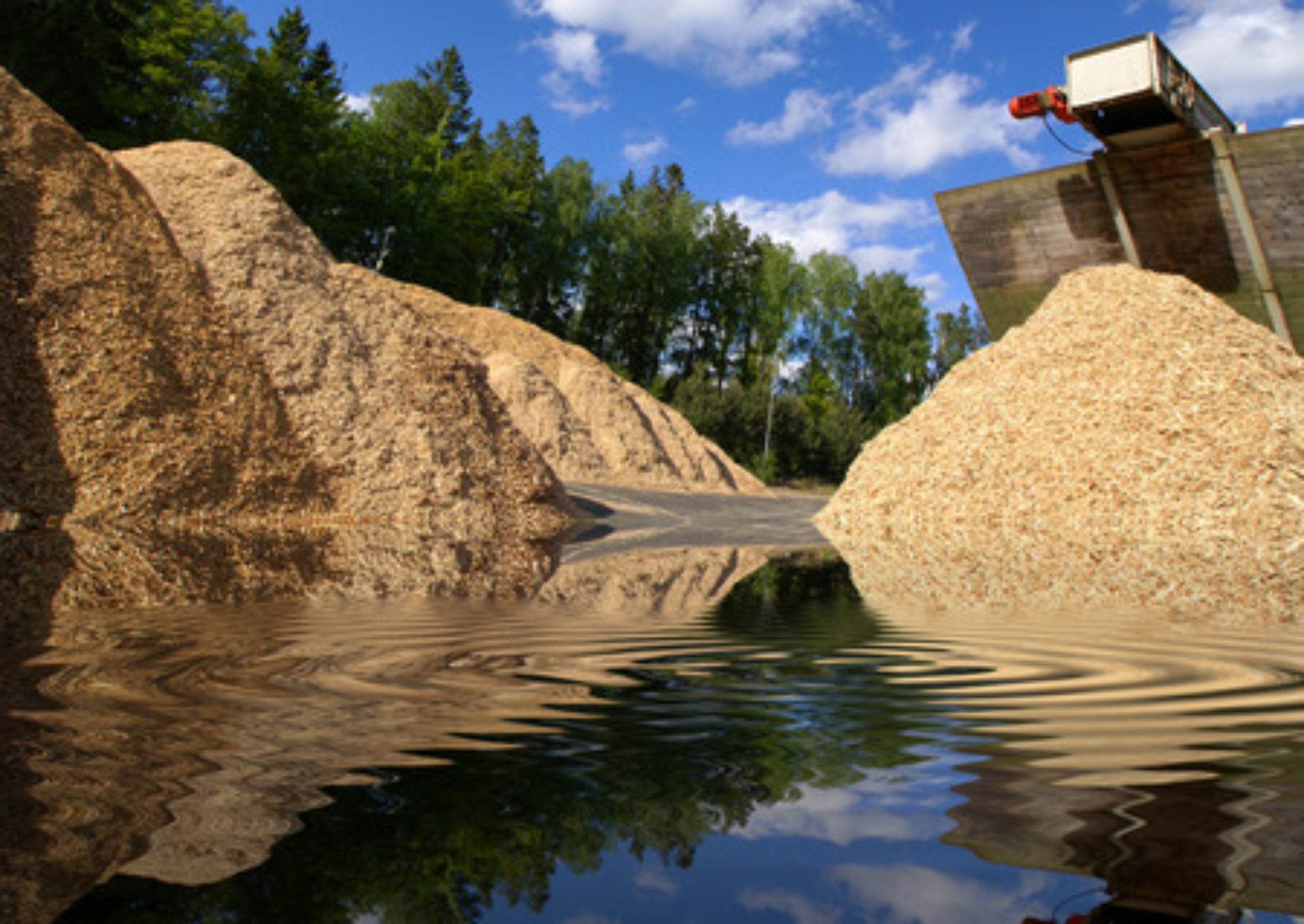
As co-founder of CDS, we have been mainly engaged with the marketplace as financiers (impact investors since 1996, before the word “cleantech” let alone “impact investing” has been coined), and thus have seen a progression with biogenic wastes, all types of biomass, from climate change-related diseased trees needing to go somewhere to abate wildfire risk (especially those that encroach on populated areas, but also because the most carbon is already stored in older trees) to agriculture field “residue” to food processing wastes to nutrient-containing municipal solid sludges and livestock-related solid wastes. All of these deserve to be “upcycled” and put back to productive use.
To not do so is a “triple bottom line” opportunity lost. We can support and encourage mainstreaming of these practices while making a good living.
A brief retrospective of biochar, now a flourishing, award-winning marketplace
At first, making biochar was overhyped. Unsubstantiated claims were made that were, owing to the unbridled passion and enthusiasm of activists worldwide, destined to fail and disappoint. The promise of biochar and early types of pyrolysis (inefficient at best, but often also ineffective in terms of product quality and performance, batch-to-batch consistency, and operating costs). Some states, such as our home state of California, banned pyrolytic systems altogether, as some reactors generated air emissions, so the Air Board (CARB) concluded that it was no better than burning.
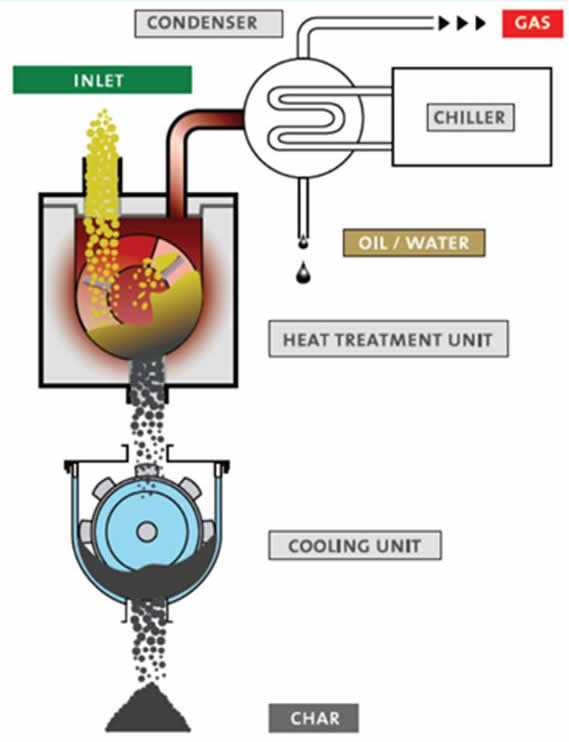
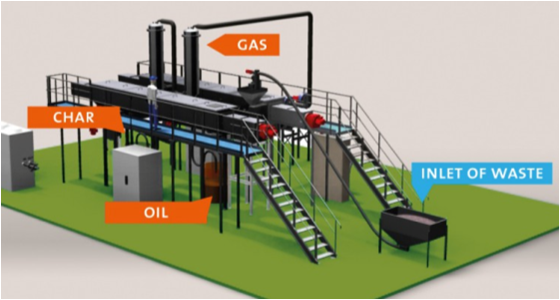
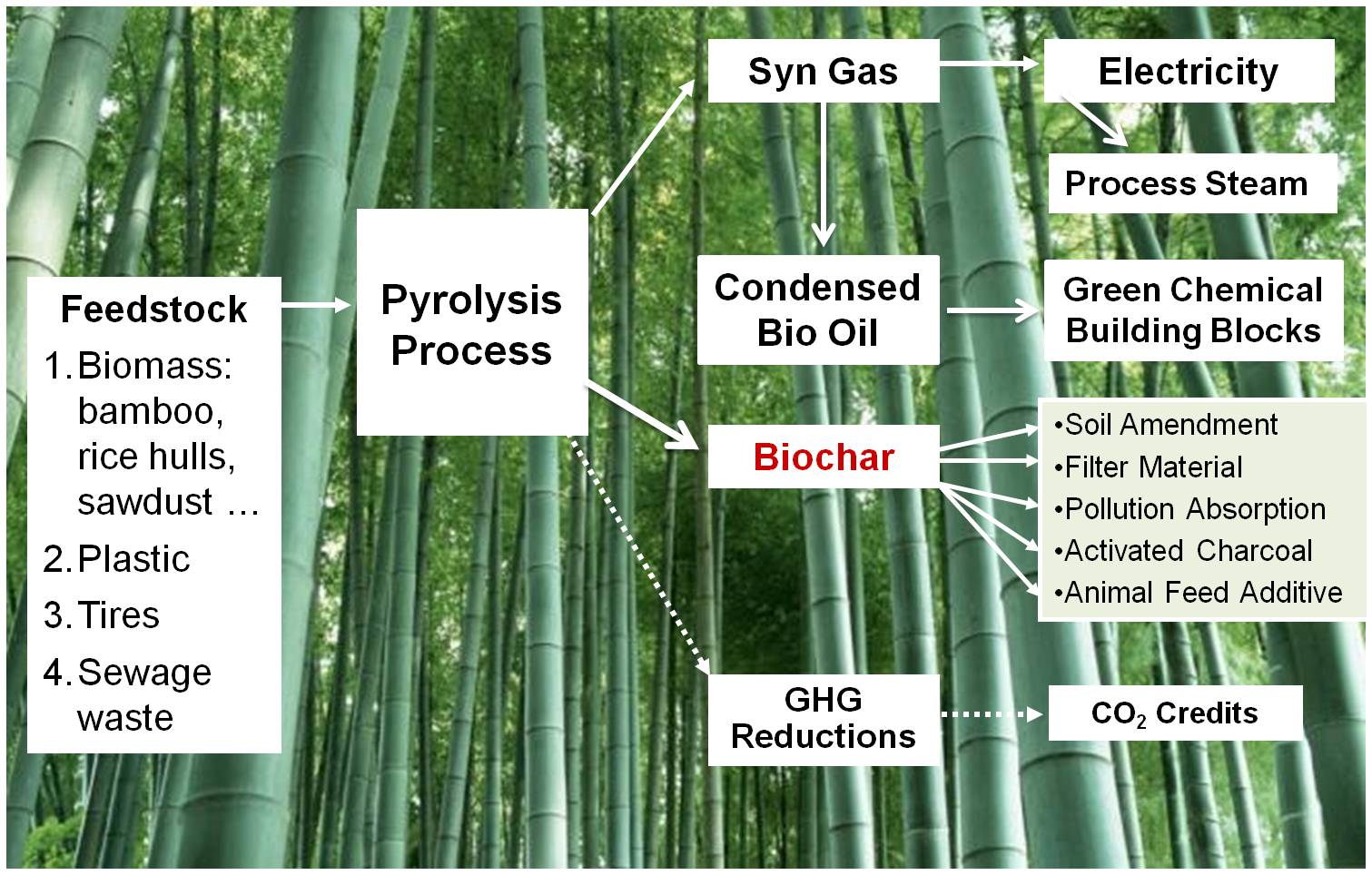
Properly designed pyrolysis is a closed reactor — entirely anaerobic — with no emissions whatsoever. The earlier ban has been lifted in CA, now aligned with other states , so that overlooked feedstocks are once again a “carbon negative” business opportunity. Instead of disposal, closed loop designs repurpose the liability of such wastes, many of them generating methane or ammonia, into products of value, a way to “valorize” such liabilities, meaning to create or assign value and merit where there was the opposite before.
The earlier “55 known uses of biochar” was really just a proxy for not knowing what to do with it! The quality and economic fundamentals were hit or miss, mainly due to lack of commercial-scale experience, as well as challenges with controlling inputs, as biomass is diverse in nature, and massive volumes are needed over time for consistent product offerings. We have successfully processed obscure types of stockpiled biomass — some that required ingenious pre-processing just to make pyrolysis possible — with biochar characteristics via lab testing — now functioning as steady-state solutions to disposal problems not previously available.
Now biomass conversion has become “mature” and diverse feedstocks are easily aligned with offtakers where the technology in between is somewhat commoditized, less art, more science, with diverse applications across many sectors commanding attractive pricing. Biochar specialists have sprung up globally, many not even mentioning the “char” component to make a clean start away from the hype.
What about “technical” nutrients from petroleum? Is there hope for closing that loop?
Similar progress is in evidence with non-biogenic waste such as rubber and plastic feedstocks. Here the business case is based on proper post-consumer handling of such wastes, already well organized when you purchase new vehicle tires (you pay a “disposal” fee in the US), but most end-of-life tires just go into a special-purpose landfill called a monofil. There are many other valuable resources that end up buried, lost and forgotten, but that’s quickly changing.
Plastics are still a big mess. Recycling plastics or separating and using them as the source of value, with adequate upside (in some cases due to incentive for proper handling) are all over the map. Some communities are now simply phasing out single-use plastic bags, a modern disaster in the US for anyone that eats, as we can’t seem to master bringing our own food-contact containers (embarrassingly far from mainstream practice), and packaged goods manufacturers and everyone else are entirely addicted to the convenience of plastics. Systemic changes at the source are needed.
Let’s divide the problem into 2 aspects, the first showing signs of hope in some markets, but the second one arguably a problem as wicked and gnlarly as climate change:
Replacing plastic bags with bioplastic (compostable) ones is the right idea, though probably “too little, too late,” but at least we can focus on the happier ending of billions of bags going through composting to reuse those nutrients in living soils.
For other plastics, pyrolysis and gasification systems are a fine waste-to-energy (WTE) solution when there is adequate sourcing (securing feedstock supply over decades), which itself depends on sorting and separation, to ensure adequate caloric content to profitably generate “renewable” fuels or other baseload power.
After extracting these calories (include residual thermal energy), either as methanol-to-jet fuel, or renewable diesel, gasoline, or as electricity in certain markets with no better options for electricity, what’s left over is just ash, which can be safely landfilled. Some companies are finding novel molecules and chemistries in this process, though nothing at scale so far.
WTE is probably best-case scenario for industrial and post-consumer plastics, at least for now, so haulers need to invest in proper separation and recovery of usable materials for either this thermochemical decomposition pathway and/or mechanical recycling, widely used with most paper, glass, aluminum and identifiable types of plastic wastes. We have yet to find an effective way of handling films and wraps in the US (even if we replace all the plastic bags, switching to biobased or biodegradable films is not yet happening due to performance concerns).
Meanwhile, tipping fees will continue to climb at US landfills, despite increased “clean” incineration, so closing various loops becomes an attractive business opportunity. China and India no longer accept US waste, which was arguably the worst band-aid of a solution to begin with. Coping is not solving.
Our oceans are a total disaster, filled with microplastics. Conventional plastics photodegrade into a toxic mass that is unhealthy for living organisms. We desperately need a breakthrough in this area — perhaps some microorganism that can “digest” plastics in waterways and render them benign?
Overuse of plastics may go down in history as the “one thing” we, as a society, botched completely, with unintended consequences we have yet to fully realize, even though “enhanced” Materials Recovery Facilities (MRFs) are springing up, some with AI-enabled sorting, so many systemic challenges remain, this is code for business opportunity.
Ditto for water reuse. We need the best minds to rethink and reshape the status quo.
Status Updates by Sector
In the case of end-of-life tires, clients of ours have “cracked the code” on profitably generating massive amounts of recovered Carbon Black (rCB) that meets the necessary ASTM standards for making new tires. Virgin CB was always a dirty process, and now rightly an expensive one (the true costs add up in multiple ways, not just economic), so rCB is gradually replacing the need to make any new “furnace” CB, with all the major tire manufacturers living up to their rhetoric about being greener and more sustainable. There is no loss of price/performance. There’s a promising road ahead for those who pay attention to the industry’s peculiarities and preferences.
Agriculture and food systems are turning the corner, still a long way to go, but with “carbon farming” catching on worldwide — a set of agricultural practices designed to increase carbon sequestration in soil and biomass, aiming to create a net reduction of atmospheric CO₂ by enhancing soil organic matter and plant carbon storage. Arguably this is needed the most in the US, where inputs are still 99% fossil-derived synthetics with vast issues and inefficiencies as a result. Regenerating “living soil” with microorganisms has become profitable so farmers are volunteering to do the right thing, an area that can use properly formulated products to take advantage of biochar’s benefits.
The transportation sector can decarbonize by going electric, continuing to replace fossil sources with renewables, and avoiding combustion as the source of energy.
Green building gets a boost from innovative solutions from valorizing biomass wastes (forest slash and managed forest wood waste, for fire suppression or other goals, ag residue, food processing waste, …) as interior walls, floors, furniture, and construction materials can be made without toxic additives, designed to save “stick built” labor — in shortest supply when needed most, such as for rebuilding homes in neighborhoods affected by fires or other climate change-related disasters. The built environment is often overlooked as an opportunity to uplevel living standards as toxins in the air — volatile organic compounds and persistent organic compounds — that “new car/home” smell, gradually decrease over time, but actually last forever. That’s a long time. Reconstruction and regeneration of living spaces can be about health, wealth and better indoor living.
Capital markets embrace natural carbon storage
Still often seen by investors as “first-of-a-kind” (FOAK) solutions to accelerated risks from climate change (so-called “runaway” or cascading greenhouse effect), there are now large-scale, commercial implementations of nature-based carbon capture that are far more lucrative than more commoditized renewable energy projects, so the sector has become attractive to capitalists, including CDS funding partners In3 Capital and Impact Guarantee Fund, when the mix of market timing, management, and adequate readiness are evident.
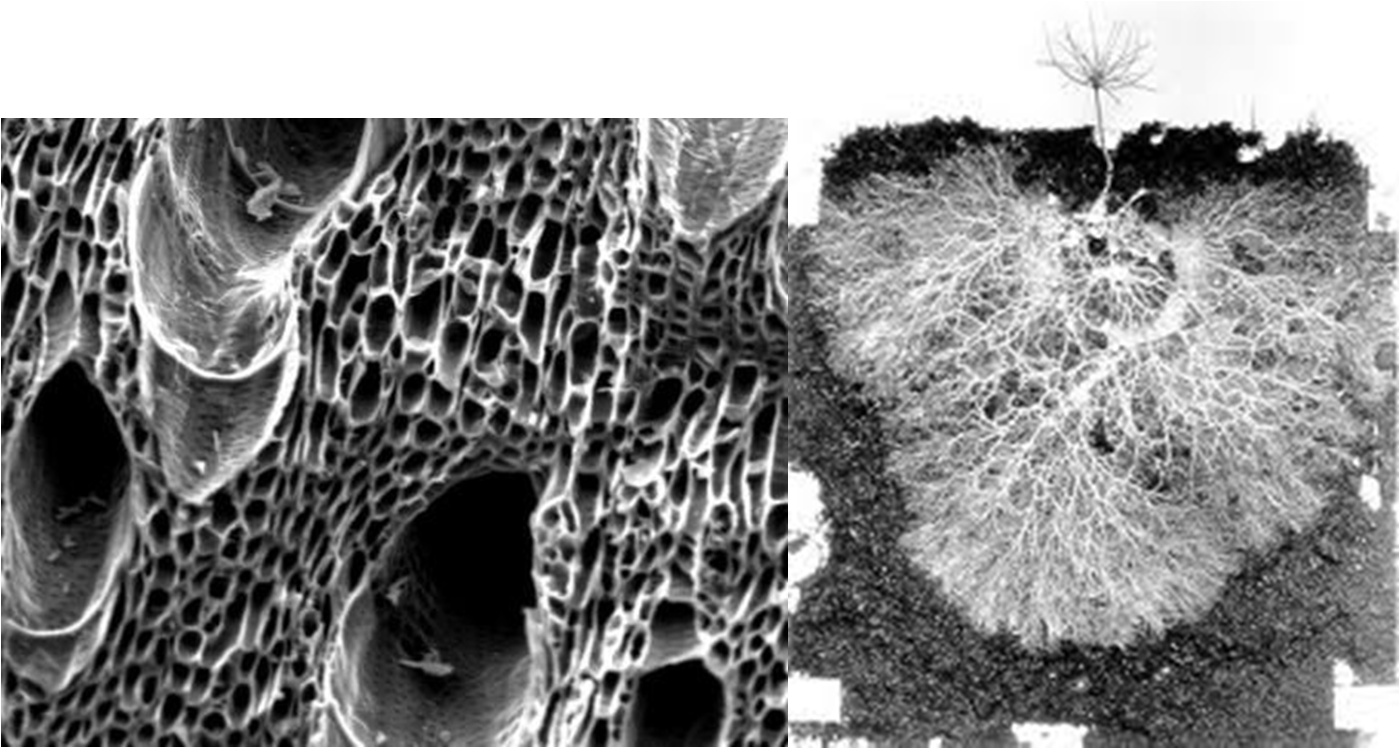 Mycorrhizal Fungi — root system of plant